

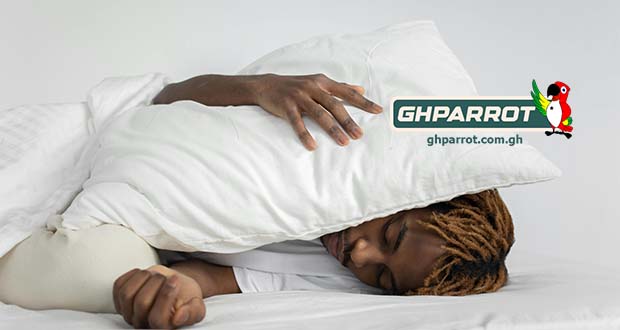
Sleep is supposed to heal the body, not harm it. Yet many people unknowingly sabotage their health every night simply by how they sleep. Your sleeping position affects your spine, breathing, digestion, blood circulation, and even brain health. Over time, the wrong posture can contribute to chronic pain, poor sleep quality, and serious health risks.
Recommended: Normal Daily Habits Linked to Cancer Risk

As a health conscious blog, GHPARROT breaks down five dangerous sleeping positions you should avoid, why they are harmful, and what to do instead for safer, restorative sleep.
1. Sleeping on Your Stomach (Prone Position)
This is widely considered the most dangerous sleeping position.


Why it’s harmful:
- Forces the neck to twist sideways for hours, straining cervical vertebrae
- Flattens the natural curve of the spine, leading to lower back pain
- Increases pressure on internal organs
- Can compress nerves, causing numbness and tingling
Long-term stomach sleeping has been linked to chronic neck pain, slipped discs, and spinal misalignment.
Better alternative:
- Sleep on your side with a supportive pillow
- If you must sleep face-down, place a pillow under one hip to reduce spinal stress
2. Sleeping on Your Back Without Proper Support
Back sleeping isn’t always bad—but doing it incorrectly can be dangerous.
Why it’s harmful:
- Causes the tongue and soft tissues to collapse backward
- Increases risk of snoring and obstructive sleep apnea
- Worsens acid reflux if the head is not elevated
- Can strain the lower back without lumbar support
For people with sleep apnea, this position can reduce oxygen levels during sleep.
Better alternative:
- Use a pillow that supports the natural neck curve
- Place a pillow under your knees to protect your lower back
- Elevate the head slightly if you have reflux
3. The Fetal Position That’s Too Tight
Curling up can feel comforting, but overdoing it comes at a cost.
Why it’s harmful:
- Restricts deep breathing by compressing the lungs
- Stiffens joints and muscles
- Increases pressure on the spine and neck
- Can worsen arthritis and joint pain
An excessively tight fetal position may also reduce circulation, leading to numbness.
Better alternative:
- Keep the body relaxed and slightly extended
- Place a pillow between your knees to maintain spinal alignment
4. Sleeping With One Leg Raised or Twisted
This position often happens unconsciously, especially among side sleepers.
Why it’s harmful:
- Twists the pelvis and spine out of alignment
- Creates uneven pressure on hips and lower back
- Can lead to sciatica and hip joint pain
Over time, this posture contributes to muscle imbalance and chronic pain.
Better alternative:
- Sleep with both legs stacked evenly
- Use a firm pillow between your knees for balance
5. Sleeping Face-Down With Arm Under the Pillow
This is a silent nerve-damaging habit many people ignore.
Why it’s harmful:
- Compresses nerves in the shoulder and arm
- Reduces blood circulation
- Causes pins-and-needles sensations and numbness
- Can contribute to long-term nerve damage
Waking up with a “dead arm” is a warning sign you shouldn’t ignore.
Better alternative:
- Keep arms at your sides or gently hugging a pillow
- Avoid sleeping directly on your shoulder
5 Mental Health Benefits of Daily Exercise
The Healthiest Sleeping Positions
Medical experts generally recommend sleeping on your side, especially the left side, because it:
- Improves digestion
- Reduces acid reflux
- Enhances blood circulation
- Supports spinal alignment
- May reduce risk of sleep apnea
Pair this with a quality mattress and an ergonomic pillow for best results.
Your sleeping position is not just a comfort choice, it’s a health decision you make every night. Poor sleep posture can quietly damage your spine, nerves, breathing, and circulation over time. The good news? Small adjustments can lead to better sleep quality, reduced pain, and improved long-term health.
Prevention starts with awareness. Tonight, check your sleeping position and your body will thank you.
In what position do you often sleep?



This information is very useful
Thanks